What To Do If You Find a Small Rodent
Small wild rodents such as rats and mice are an important part of natural ecosystems. They serve as prey for many larger animals and also help disperse seeds and organic material in the environment. Because these animals often live close to human homes and gardens, people sometimes encounter injured rodents or discover baby rodents that appear to be alone.
While it may be tempting to intervene immediately, not every rodent found outdoors needs assistance. Understanding when help is truly necessary can ensure the animal receives appropriate care while avoiding unnecessary disturbance.
Understanding Rodent Behavior
Wild rodents are naturally cautious animals and will usually attempt to run away if approached. When a rodent allows people to come very close or appears unable to move normally, it may be injured or in shock.
Rodents can also bite when frightened or in pain. For this reason, anyone attempting to help an injured rodent should use caution and protective materials when handling the animal.
Many injured wild animals are already in serious condition by the time they are discovered. In some cases, a veterinarian may determine that euthanasia is the most humane option if the animal’s injuries are too severe to treat.
Baby Rodents
Young rodents may occasionally be found outside their nests. If a baby rodent is fully furred with open eyes and able to move around, the best approach is usually to leave it alone. The parents are likely nearby and may return to retrieve the young animal.
Mother rodents sometimes move their babies from one nest location to another if the original nest has been disturbed. During this process, a baby may briefly be left behind while the mother relocates the rest of the litter.
However, very young rodents that have no fur or still have closed eyes are unable to survive outside the nest and will need help if they are found alone. Signs that young rodents may be orphaned include:
The babies are hairless or their eyes are still closed
Dead parent rodents are found nearby
The babies remain unattended after two hours of observation
If any of these conditions are present, professional care should be sought as soon as possible.
How to Care for a Small Rodent Until It Reaches a Wildlife Rehabilitator
If the animal needs assistance, the first step is to safely contain it.
Carefully place a towel or cloth over the rodent and gently lift it into a secure container. Wearing gloves and using a towel can help protect you from bites while also reducing stress for the animal.
A plastic container with air holes is recommended because rodents may chew through cardboard quickly. Line the container with towels or soft materials so the animal can remain warm and comfortable.
Once the rodent is secured:
Place the container in a quiet, warm location away from pets and children
Avoid unnecessary handling or disturbance
Contact a veterinarian or wildlife rehabilitator as soon as possible
Providing a calm environment helps reduce stress and prevents further injury while the animal awaits professional care.
⚠️ Safety reminder: Do not attempt to feed or give water to an injured or orphaned rodent. Improper food or fluids can cause serious harm. Instead, keep the animal warm and transport it to a wildlife professional as quickly as possible.
Rodents can bite when frightened or injured, so always wear gloves and avoid direct contact whenever possible.
When to Leave a Rodent Alone
In many cases, wild rodents should simply be left undisturbed. For example:
A young rodent that is fully furred and active is likely being cared for by its parents.
A nest of baby rodents should usually be left intact so the mother can return to care for them. Excessive disturbance may prevent her from coming back.
If you accidentally uncover a nest, gently cover it again and move away from the area. The parent rodent will often return within a few hours.
Alternatives to Rodenticides
One of the easiest ways to prevent small rodent injuries and death is to avoid using rodenticides. Rodenticides are poisons that work by preventing a rodent's blood from clotting, causing them to bleed internally. These common anticoagulants cause animals that ingest them to suffer from bleeding into lungs or joints, extreme weakness, and breathing difficulties for several days to over a week before death.
Rodenticides pose a serious risk not only to rodents, but also to pets, birds of prey, and other wildlife that may ingest the poison directly or through contaminated prey. Safer, more humane, and effective alternatives are available that help control rodent populations without harming the surrounding ecosystem.
Consider the following alternatives:
Exclusion (Prevention First)
Seal holes and gaps in buildings using materials like steel wool, hardware cloth, or caulk. Preventing access is one of the most effective long-term solutions.Remove Food Sources
Store pet food, bird seed, and garbage in secure, rodent-proof containers. Clean up fallen fruit, spilled seed, and outdoor food waste.Eliminate Shelter
Keep grass trimmed, remove brush piles, and reduce clutter such as woodpiles or debris where rodents may nest.Snap Traps (Used Properly)
Traditional snap traps can be effective when placed in enclosed, tamper-resistant boxes to protect pets and non-target wildlife.Live Traps (With Caution)
Live trapping can be used, but rodents must be relocated carefully and humanely in accordance with local regulations. Improper release can lead to suffering or survival issues.Encourage Natural Predators
Owls, hawks, snakes, and other predators help control rodent populations naturally. Installing owl boxes or preserving habitat can support this balance.Ultrasonic Devices (Limited Effectiveness)
These may provide short-term deterrence in some situations, but should not be relied upon as a sole solution.
Important Reminder:
Avoid glue traps whenever possible. Like rodenticides, they can cause prolonged suffering and may unintentionally capture birds, reptiles, and other non-target animals.
Why Professional Care Matters
Wild rodents have specific nutritional and environmental needs that differ greatly from domesticated pets such as hamsters or pet mice. Attempting to care for them without proper knowledge can lead to poor health, stress, or inability to survive in the wild.
If you’ve found a wild rat or mouse that needs help, contact us or another licensed wildlife rehabilitator. Wildlife rehabilitators and veterinarians have the training and resources needed to assess injuries, provide appropriate treatment, and determine whether the animal can eventually be released back into its natural environment.
✅ Key takeaway: If a wild rodent appears injured, weak, or unable to escape from people, it may require assistance. The best way to help is to carefully contain the animal and transport it to Shalom Wildlife Hospital or another wildlife rehabilitator as soon as possible.
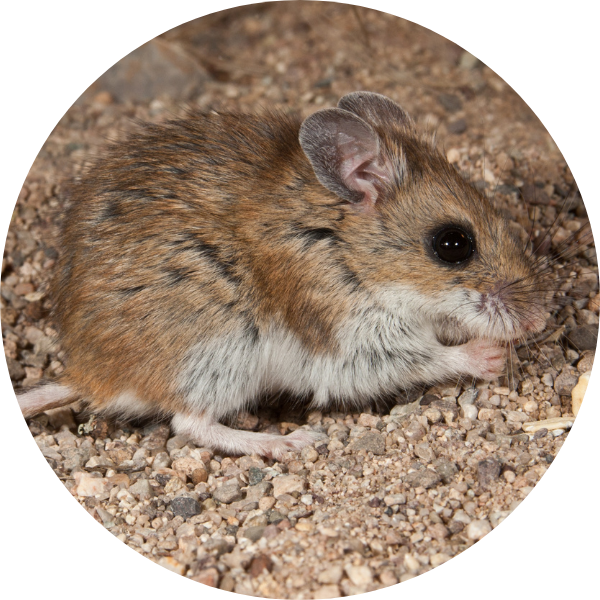
Rodents Can Chew Through Cardboard
If you must temporarily contain an injured rodent, use a plastic container with air holes. Many rodents can quickly chew through cardboard boxes and escape.
Observe Before Intervening
A fully furred baby mouse or rat found outdoors may simply be waiting for its mother to return. Observing from a distance for a short period can help determine whether the animal actually needs help.
Poison Prevention
Rodenticides pose a serious risk not only to rodents, but also to pets, birds of prey, and other wildlife that may ingest the poison. Learn more about effective, humane alternatives to using rodenticides at Raptors Are The Solution (RATS).