
Snakes
Snakes are an important part of San Diego County’s ecosystems and are often misunderstood. Most native snakes are nonvenomous and help naturally control rodent populations, benefiting both people and the environment. Even rattlesnakes generally avoid humans and only defend themselves when threatened.
Many snakes brought to wildlife hospitals are healthy animals that were unnecessarily captured or relocated. In most situations, the best thing to do is to leave the snake alone and allow it to move away on its own.
However, snakes that are injured, trapped, or sick may require professional assistance.
Rattlesnakes in San Diego County
Southern California is home to several native rattlesnake species, including the Southern Pacific Rattlesnake.
Rattlesnakes are protected native wildlife and play an important role in controlling rodent populations. They generally prefer to avoid confrontation and will often retreat if given space.
Shalom Wildlife Hospital does not accept rattlesnakes.
If you find an injured rattlesnake, contact local animal control or a licensed rattlesnake relocation specialist for assistance. Rattle Rescue provides rattlesnake relocation in San Diego County. They also provide educational resources, including snake identification guidance.
If you suspect the snake may be a rattlesnake:
Keep children and pets away
Do not attempt to move or kill the snake
Contact animal control or a qualified rattlesnake relocation professional
⚠️ Safety note: Never attempt to handle or capture a snake unless you are absolutely certain it is nonvenomous. Most snake bites occur when people try to handle, relocate, or harm snakes.
When Does a Snake Need Help?
A snake may need rehabilitation if it:
Has visible wounds or bleeding
Was attacked by a cat or dog
Was hit by a vehicle or lawn equipment
Appears unable to move normally
Is caught in netting, glue traps, fencing, or sticky material
Shows swelling, deformities, or severe lethargy
Even small puncture wounds can become fatal without treatment.
What To Do
If the Snake Appears Healthy
Most healthy snakes do not need intervention.
If possible:
Keep a safe distance
Allow the snake time to move away naturally
Bring pets indoors until the snake leaves the area
Watch from afar without disturbing it
Relocating snakes far from where they were found can reduce their chance of survival.
If the Snake Appears Injured
If you are certain the snake is nonvenomous and can be safely contained:
Use a broom, shovel, or other long object to gently guide the snake into a container
Use a secure lidded container with ventilation holes
A tied pillowcase placed inside a box or bin can also work for transport
Keep the container in a quiet, dark, warm area
Minimize handling and noise
Do not:
Attempt to feed the snake
Offer water directly
Apply medications or ointments
Pull a snake from glue traps or netting yourself
If the species is unknown, contact a professional before attempting containment.
✅ Key takeaway: Most snakes found in San Diego County are healthy, beneficial wildlife and should be left alone unless they are clearly injured, trapped, or sick.
Transporting an Injured Snake
When transporting an injured nonvenomous snake:
Keep the container secure and well ventilated
Keep the animal away from direct sunlight and extreme temperatures
Reduce stress by limiting movement and noise
Transport the snake as soon as possible
Always call ahead before bringing wildlife to a rehabilitation facility.
Coexisting With Snakes
Snakes are a natural and valuable part of life in San Diego County.
Simple steps can reduce conflicts:
Keep yards free of rodent attractants
Supervise pets outdoors
Watch where you place your hands and feet while hiking or gardening
Avoid reaching into wood piles, dense brush, or rock crevices
With space and respect, snakes and people can safely coexist.
When to Contact a Rehabilitator
Visible injury or bleeding
Hit by a car, lawn equipment, or attacked by a pet
Unable to move normally
Caught in netting, glue traps, or fencing
Weak, lethargic, or unresponsive
Prompt care can improve survival for injured snakes.
Our Care
At Shalom Wildlife Hospital, injured nonvenomous snakes receive specialized care including wound treatment, hydration support, and a quiet, temperature-controlled environment for recovery. Once recovered, they are released back into the wild. If you have found an injured nonvenomous snake, contact us or another wildlife rehabilitator to ensure it receives the care it needs.
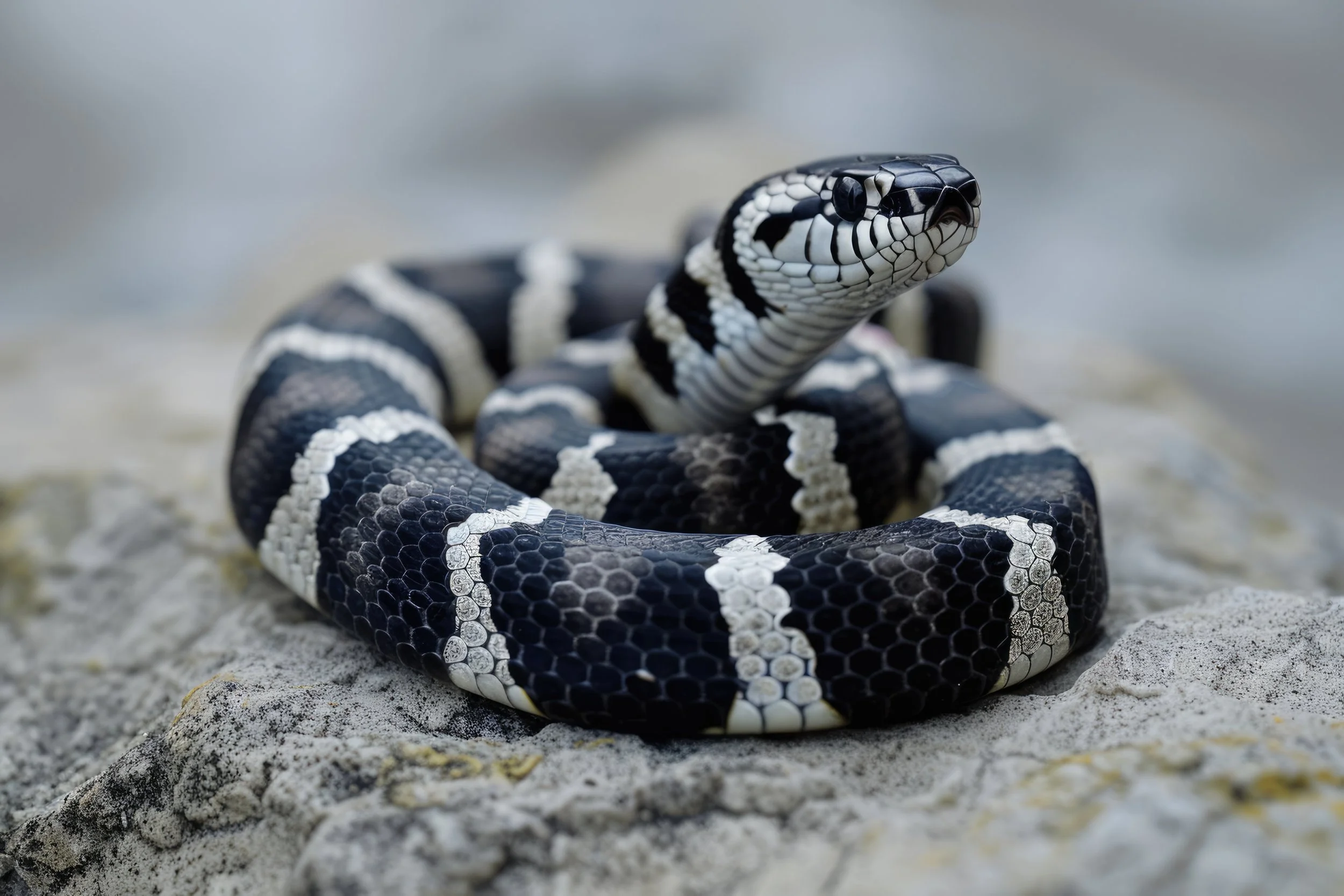
Did you know?
Snakes use their tongues to collect scent particles from the air, helping them ‘smell’ their surroundings.
Did you know?
Many nonvenomous snakes mimic rattlesnake behavior by vibrating their tails when frightened. This defensive behavior helps scare away predators but does not necessarily mean the snake is venomous.